
A major shift in U.S. trade policy took effect on February 24, 2026, delivering a 10-percentage-point net tariff reduction for Chinese textile and apparel products shipped to the United States. The adjustment, which replaces two prior additional tariffs with a single global temporary levy, has quickly lifted export confidence, revived inquiries, and stabilized order flow for China’s textile exporters as factories enter the peak spring-summer production season.
Under the new framework, the U.S. government revoked two sets of tariffs imposed under the International Emergency Economic Powers Act (IEEPA): a 10% “fentanyl-related” tariff and a 10% “reciprocal” tariff, both of which had been applied to most Chinese goods since early 2025. In their place, a 10% temporary global tariff under Section 122 of the Trade Act of 1974 is now levied on imported merchandise, including textiles and apparel. The new measure is set to run for 150 days, expiring on July 24, 2026.
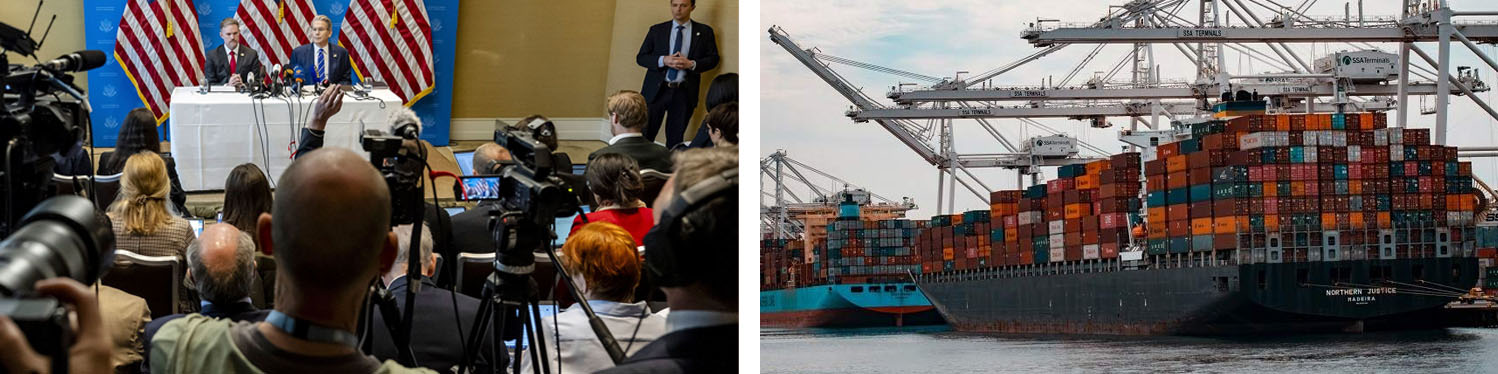
For textile and garment shippers, the math is clear: minus 20% in old duties, plus 10% new duty = net tariff relief of 10 percentage points. Crucially, the longstanding Section 301 tariffs (mostly 25% for textile and apparel lines) remain in place, so overall trade uncertainty persists. Even so, the downward adjustment marks the most meaningful cost relief for the sector in nearly two years.
Industry data and trader feedback show immediate improvement. In the week following the policy change, export inquiries from U.S. buyers rose by an estimated 15%–25% across yarns, fabrics, home textiles, and ready-made garments. Many mills report that delayed orders are being unlocked, as buyers who had held off to avoid higher duties now move forward with contracting and sampling.
Bathrobe Factories and Sports Towels Factory operations are seeing stronger near-term demand, particularly for mid-to-high-end organic cotton and sustainable-look products. Meanwhile, Adult Poncho Towel Supplier businesses are also regaining pricing power, with many recovering 3%–5% in margin previously squeezed by tariffs. Apparel exporters across the board report improved negotiation space and faster decision-making from brand buyers.
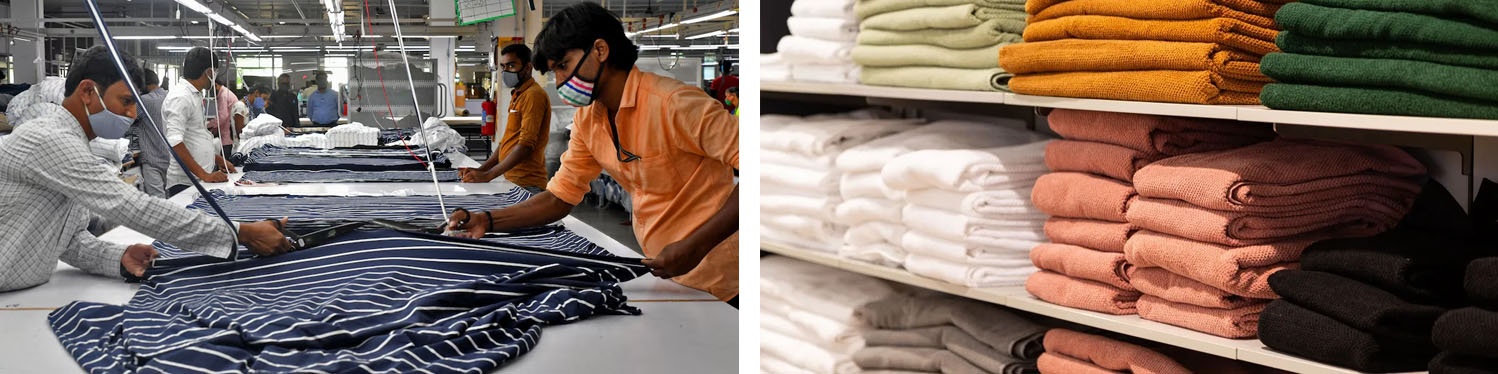
The tariff reset also levels the playing field between China and competing regional suppliers. Previously, Vietnam, Bangladesh, and Cambodia faced effective additional tariffs of around 19%–20%; under the new global rule, they now pay the same 10% temporary levy as China. While “China Plus One” supply-chain diversification will continue, the duty gap has narrowed, reducing the pressure to shift orders purely for tariff savings. This favors China’s fully integrated textile supply chain, quick turnaround, and consistent quality control.
However, headwinds remain. Domestic input costs are climbing: cotton prices have strengthened, and dyestuff producers raised dispersed dye prices by RMB 4,000 per ton starting February 25. These increases partially offset the tariff benefit. Meanwhile, the U.S. administration has hinted at a possible hike to 15% for the temporary tariff, which would trim the net benefit to just 5 percentage points. Exporters are urged to lock in order terms and clarify duty responsibilities in contracts.
Industry leaders advise a balanced strategy: use the 150-day window to secure U.S. orders, accelerate product upgrading, and deepen market diversification into ASEAN, the Middle East, and Europe. High-value-added items—such as functional fabrics, recycled textiles, and branded home textiles—are better positioned to absorb tariff volatility and sustain profitability. Investment in digital printing, quick-response production, and green certification will further strengthen long-term competitiveness.
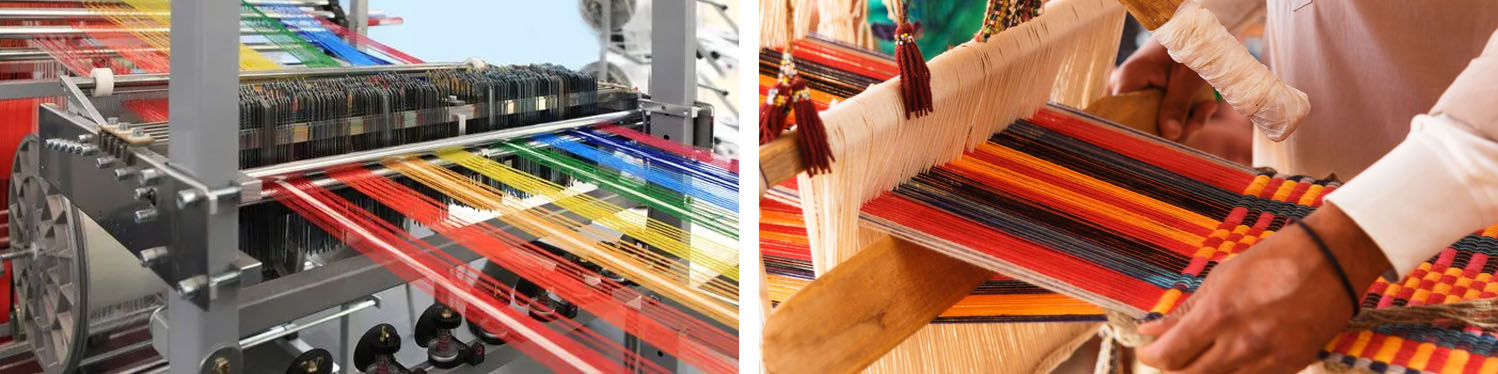
As the first quarter unfolds, the tariff reset has become the single biggest catalyst for China’s textile export recovery. While long-term trade risks have not disappeared, the near-term boost is tangible. With major textile fairs approaching in March—including the Shanghai Spring Textile Series and East China Fair—exporters are optimistic that stronger U.S. demand, combined with diversified market expansion, will support steady growth through the first half of 2026. The 10% net duty cut is not just a short-term relief; it is a valuable window for the whole textile chain to stabilize orders, optimize structures, and move toward higher-quality development.
Post time: Mar-06-2026